
Herbal Medicine
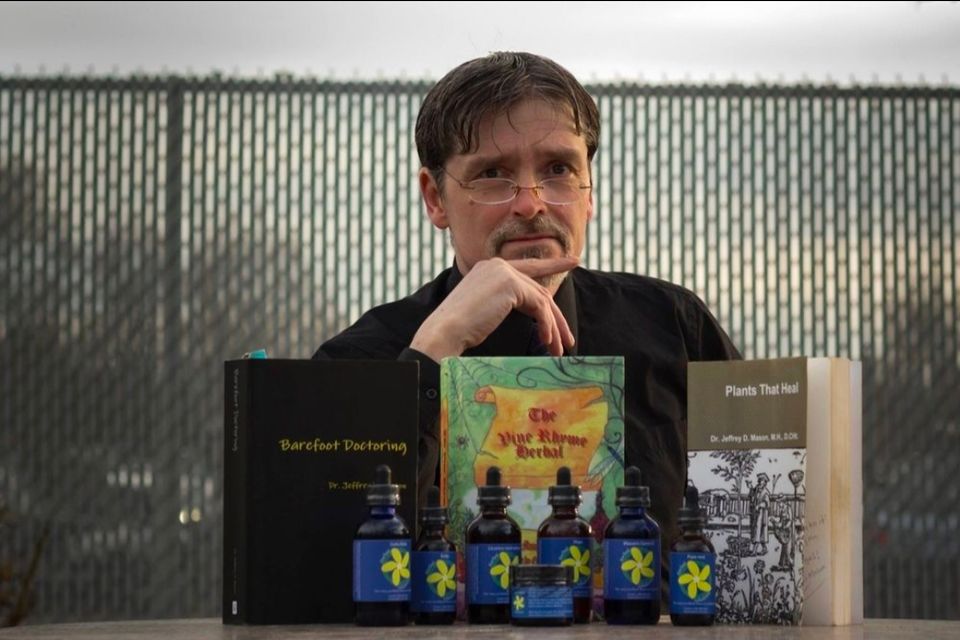
Herbal medicine, often referred to as botanical medicine or phytotherapy, involves the use of plants and plant-derived substances to support health and well-being. Various parts of plants such as roots, leaves, bark, seeds, and flowers are prepared and used for their natural properties. These remedies are commonly available in forms such as teas, capsules, powders, extracts, and tinctures, and are often used as dietary supplements to complement overall wellness practices.
A Short History of Herbal Medicine
The use of plants for health purposes dates back thousands of years and is one of the oldest forms of healthcare known to humanity. Ancient civilizations in regions such as China, Egypt, India, and Greece documented the medicinal use of herbs in early medical texts. Traditional systems like Traditional Chinese Medicine and Ayurveda developed extensive knowledge about plant-based remedies and their applications.
Throughout history, herbal knowledge was passed down through generations and later recorded in early European herbals and pharmacopoeias. Many modern medicines have roots in plant-based compounds first identified through traditional herbal practices. Today, herbal medicine continues to be used worldwide as part of traditional healing systems and modern complementary health approaches.
A Short History of Herbal Medicine
The use of plants for health purposes dates back thousands of years and is one of the oldest forms of healthcare known to humanity. Ancient civilizations in regions such as China, Egypt, India, and Greece documented the medicinal use of herbs in early medical texts. Traditional systems like Traditional Chinese Medicine and Ayurveda developed extensive knowledge about plant-based remedies and their applications.
Throughout history, herbal knowledge was passed down through generations and later recorded in early European herbals and pharmacopoeias. Many modern medicines have roots in plant-based compounds first identified through traditional herbal practices. Today, herbal medicine continues to be used worldwide as part of traditional healing systems and modern complementary health approaches.